So much more than a prison town
Huntsville's image may be better than we realize. The last installment of our three part series on economic development in Walker County.
On May 29, over a meal of papusas and rotisserie chicken, The Huntsvillan gathered four community leaders at the office of the new-ish Walker County Economic Development Corporation (WCEDC) for an honest discussion about economic development in Walker County – the good, the bad, and the ugly.
The discussion, moderated by Chief Humanist Mary-Brett Stringer, had four panelists: Kaye Boehning, owner of Tomorrow's Promise Montessori Schools; Darren Grant, longtime school advocate and economics professor at SHSU; Blake Irving, whose decade of municipal government experience includes a stint on Huntsville City Council; and WCEDC Director Stephanie Smith.
The discussion was framed around a 2007 comprehensive plan called Plan 2025, which articulated eight specific economic development goals that were to be met by last year.
Our first installment focused on one theme of Plan 2025: helping businesses thrive. Our second installment focused on an equally important theme: workforce development.
This, our final installment, focuses on the last theme: community image and having a vibrant downtown. While courting new industries to hire our high school and university graduates, how can we help those new workers love Walker County enough to want to stay? The discussion was edited for brevity and clarity.
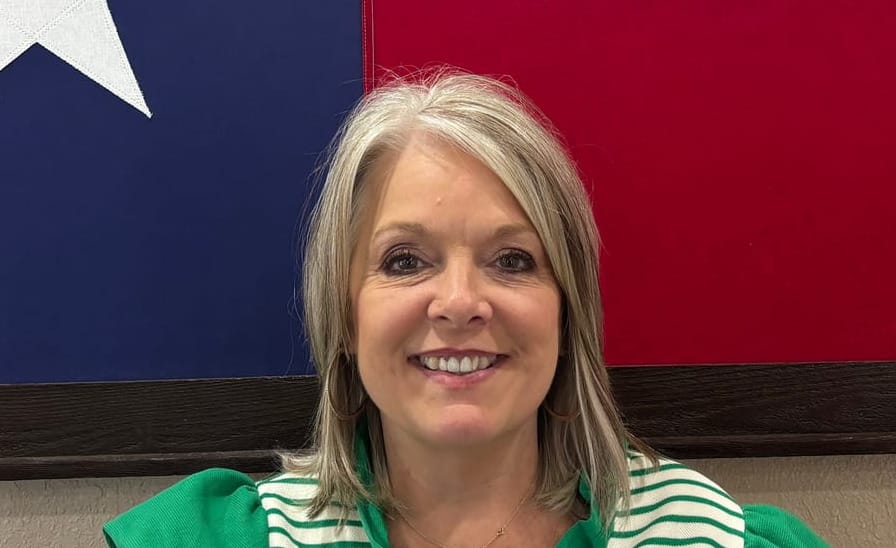
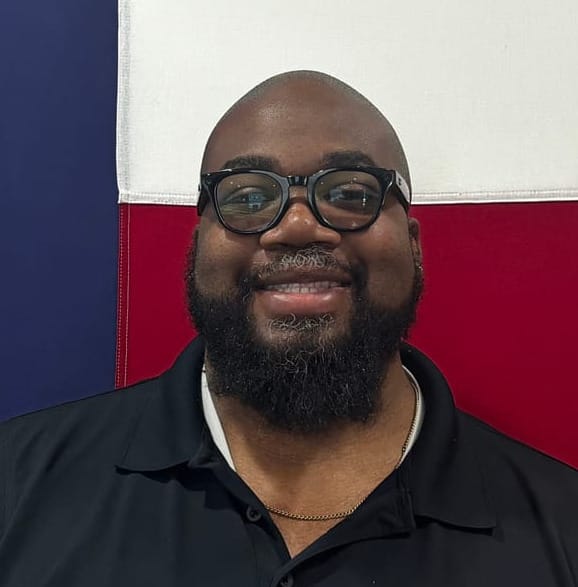
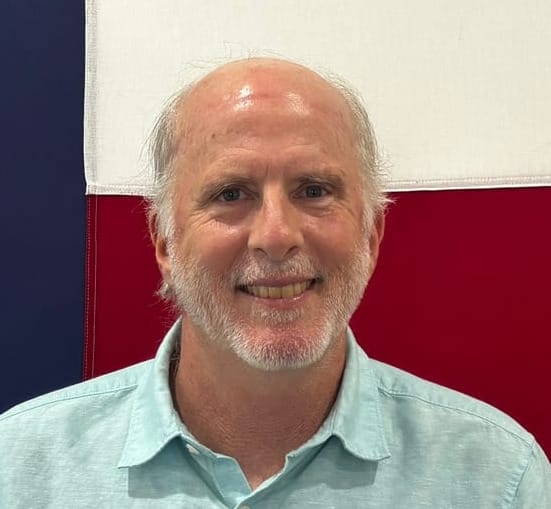
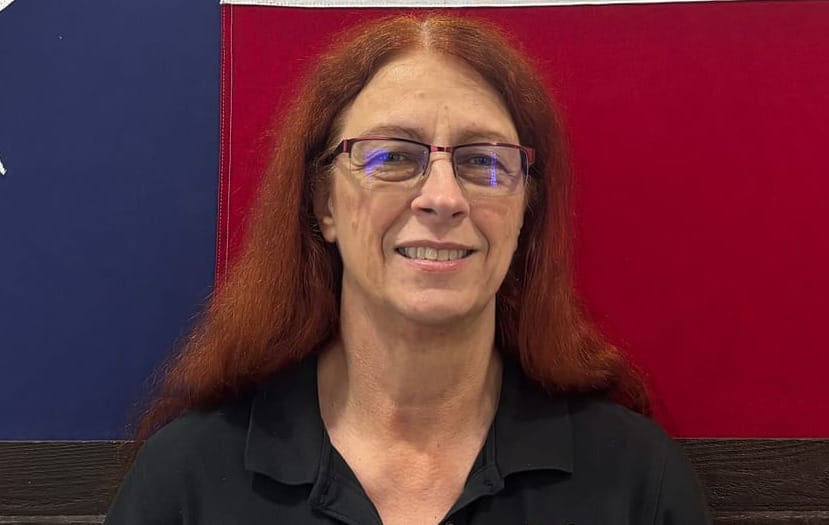
Clockwise from top left: Stephanie Smith, Blake Irving, Kaye Boehning, Darren Grant. Photo credits: Mary Brett Stringer.
A prison town?
Mary Brett Stringer (MBS): Okay, let’s look at creating a positive image. In 2007, Plan 2025 emphasized the importance of a positive image for Huntsville (as did a follow up plan in 2024). Since then, the city's tourism marketing has grown, emphasizing Huntsville's cultural and natural features.
Blake, as someone with extensive experience in city government, do you think the city is viewed more positively than it was 20 years ago? And then we're gonna expand the conversation to include a vibrant downtown, which the 2007 plan emphasized with the idea of it becoming a university village.
How important is it for economic development to have a vibrant downtown, and what role will Sam students play in that?
Blake Irving (BI): When we talk about a vibrant downtown, I do believe in that. When I worked in Conroe, the office was downtown, lots of things to do. I loved it. When I moved to The Woodlands, I was over by Market Street, loved all that. So while I was on the city council in Huntsville, we were in talks about a new city hall.
Adam Olsen had an out-of-state developer that wanted to come in and basically buy that whole block [of the old Ella Smither Geriatric Center on 11th St.] and turn it basically into a Market Street type thing. You could have your mom and pop restaurants move in, and you could also have some commercialized businesses.
In return, they were going to build a city hall that we would kind of lease back. So we took that to the mayor and city manager, discussed all of this, and they said no.
I was shocked, and maybe I shouldn't have been, but just the older generation and how they're somewhat stuck. They're comfortable with how things are now, and they didn't really want the developer to build the city hall and lease it back.
To me, you're turning this block into something way nicer, where your local businesses have a nice new space to move into, restaurants, things of that nature. But again, it got shot down, and that was the end of that.
When we talk about the image of Huntsville, most of the city council has been an older generation of people, and it may be that generation thought, "If we embrace it, we're gonna lose who we are as Huntsville." That's not the case. There are just more options now versus a limited set.
I do think the image is getting better. Should've gotten better maybe ten years ago, is when it should've started. But it is getting better.
Kaye Boehning (KB): Right now the first thing you see when you enter town from either direction is a prison. And that does not help our image. You know, if we had trees planted to make a hedge, or a decorative wall as they do for interstates, something that improved our appearance coming in and out of town. Seeing the prisons upon entering just reinforces “prison town.”
Darren Grant (DG): From my perspective, I'm in town a lot and I've been inside one of our units for just a few hours.
KB: It took that long to get processed?
[group laughter]
DG: And I know a fair number of correctional officers and I see inmates 'cause I bike around town. What TDCJ does is almost a miracle because there's not a legislator on the planet who's gonna get more votes 'cause they poured more money into the prisons, right? When I think of the prisons, that's what I see.
The reality of it is that the prisons are clean jobs. They don't pollute. There's no data center that pollutes.
Stephanie Smith (SS): Leave my data center alone.
[group laughter]
DG: Okay. I'll back off. And since they gave some pretty big raises last year, those are pretty good-paying jobs. They're stable jobs. They have insurance. So when I see the prisons I think pretty good-paying stable jobs that don't pollute anything.
We could almost embrace it with the tagline of "Huntsville, we make new beginnings" or something like that. If you're in college, that new beginning is when you graduate and go get a job. If you're in prison, you get released, and then you go on to other things.
 Steph Mamber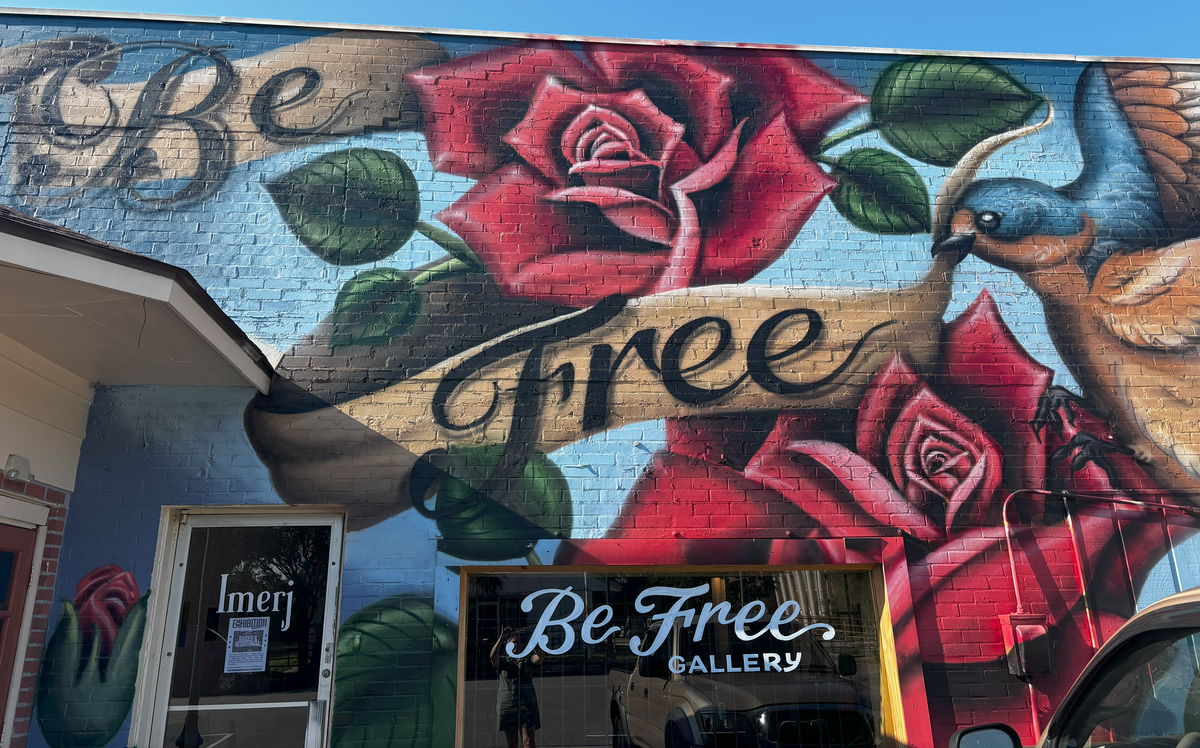
Last fall, The Huntsvillan did an article on Imerj, which promotes the art of current and former offenders.
KB: I will say yes, your points are valid, but if you have ever worked in a prison, it is not a fun job.
DG: It's a tough environment.
SS: I have so much to say on this topic.
I think the negative perception of the prison is that that's an insider perception. I have never seen the TDCJ system as a negative footprint for Walker County.
I don't get scared when I drive in here. It's part of our heritage. It's part of who this community is, and those jobs are not susceptible to the oil and gas or the economy rise and fall. They are, like you said, stable jobs for the community.
KB: The other thing a lot of people don't realize is that we are recession-proof [because of the prisons].
SS: Exactly.
KB: The different recessions that have hit, my business has lost maybe a family or two because their job got eliminated. A lot of people will go fill open spots at the prison 'cause there's usually some correctional officer jobs available, or they'll go back to school. And so our local economy has been–
SS: Bulletproof because of that.
DG: I remember during the Great Recession in 2008, 2009, it's like it never happened in this town.
KB: It never did.
SS: I can tell you when we have conversations with Greater Houston Partnership and the Governor's Office of Economic Development and Tourism, not one time have they said, "Oh, you're never gonna make it 'cause you're a prison town."
They are excited that we are doing economic development here in Walker County. So I think as we develop and diversify, you'll see less and less of that talk.
Downtown
SS: Now, as far as downtown being a university village, I don't agree with that.
KB: I don't see it either.
SS: It is a quaint, beautiful downtown. I would like to see more nighttime activity with restaurants and other retail that will keep some of these stores open and bring traffic in after hours. We've had conversations with Amanda [Sewell] at Main Street, and they've got plans in place to help revitalize downtown.
Her dilemma is a lot of businesses want to move downtown. She doesn't have any vacancies for them. That's a good problem to have.
Coming from the city of Humble, I wish I'd had the bones to work with there that y'all have here in downtown Huntsville. So it's gonna be diversifying, getting that right mix of businesses in when the availability is there. Don't just fill 'em for the sake of filling 'em to get money back in your pocket quick and fast, but let's be intentional.
DG: I am on Team Stephanie & Kaye about the impracticality of a university village. Sam students are just not gonna migrate back and forth to downtown. I know that was a priority on city council a few years back, and still is a priority for some people today.
I don't think it's terribly realistic, and I don't think we need it. Downtown's doing pretty good.
 Steph Mamber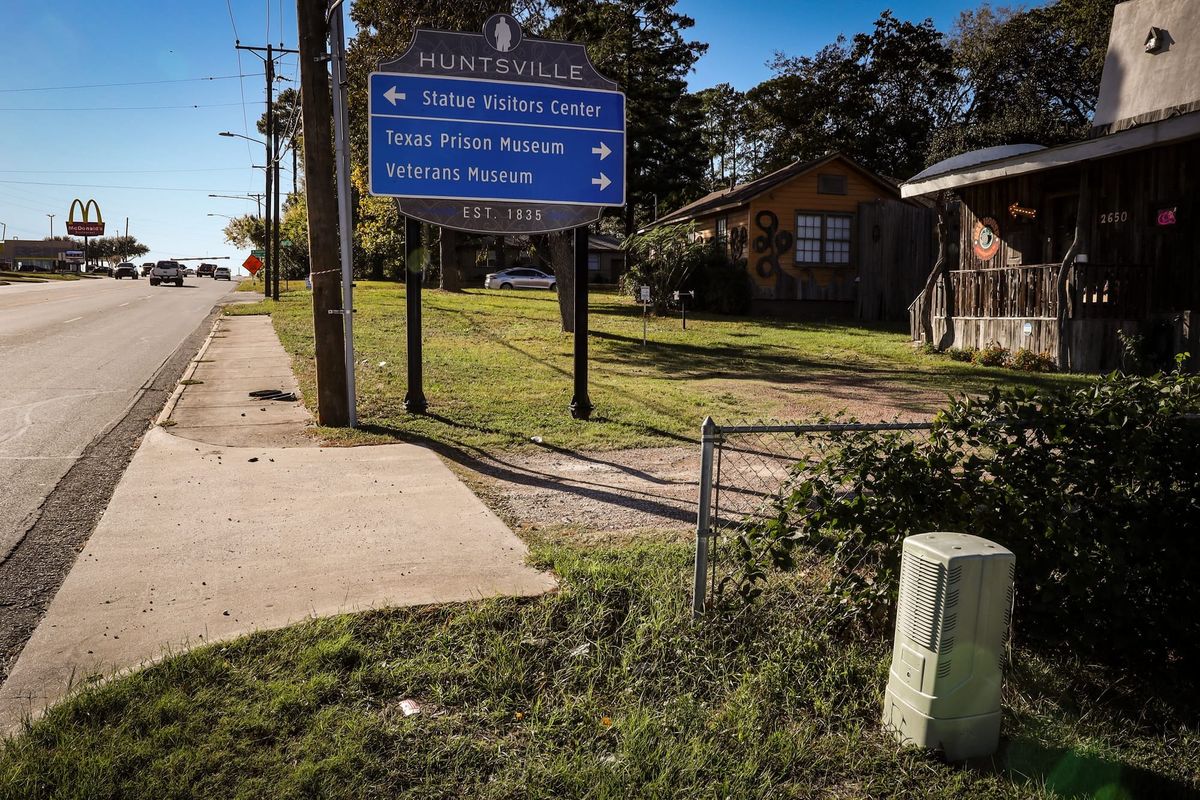
Last fall, The Huntsvillan examined the practicality of the city and county's plans for a dedicated walking/biking path between SHSU and downtown.
SS: You can bring some businesses in, like a brewery or sand volleyball, that will attract the college students and have them spending money there. But turning it into just a university village, I think that would just be sad.
KB: Sixth Street in Austin. I don't see that in Huntsville at all. You know, talk about destroying the culture of Huntsville.
MBS: And alcohol sales are down nationwide, so it's not really as vibrant of a business as it used to be. Nor should that be the thing that makes our downtown something.
Programming growth
MBS: So if we don't want to cater primarily to the university students, how do we sell them on Huntsville being a place to stay and get these jobs that we're building for them?
KB: You know, I run into people all the time who have moved back here because they went to college here and loved it. People who are in Conroe, Houston, The Woodlands, who went to school here, and they miss Huntsville. "Oh yeah, I went there. I had a great time while I was there."
You know, the town was so friendly and things like that. I think they would've stayed if they could have found a job.
MBS: So that small town charm, if we expand and bring lots of people from out of town, do we lose that?
SS: That's the perception.
KB: Well, that's what the good old boys are afraid of.
SS: It's the placement of these manufacturing, these technology-driven jobs that we're going after. We don't wanna bring them downtown. We wanna put them in corridors that can handle those types of buildings, and we don't wanna clear-cut trees.
I wanna keep what makes Walker County, Walker County. The nature, the amenities, the heritage, all of that.
But to answer your question, we've gotta do a better job in recruiting retail, family-oriented activity centers, some restaurants, things that give us more diversity.
DG: So Mary, what you're really talking about to meet that goal is programming, things that draw people in from the community, students and non-students alike. There are a decent number of those things.
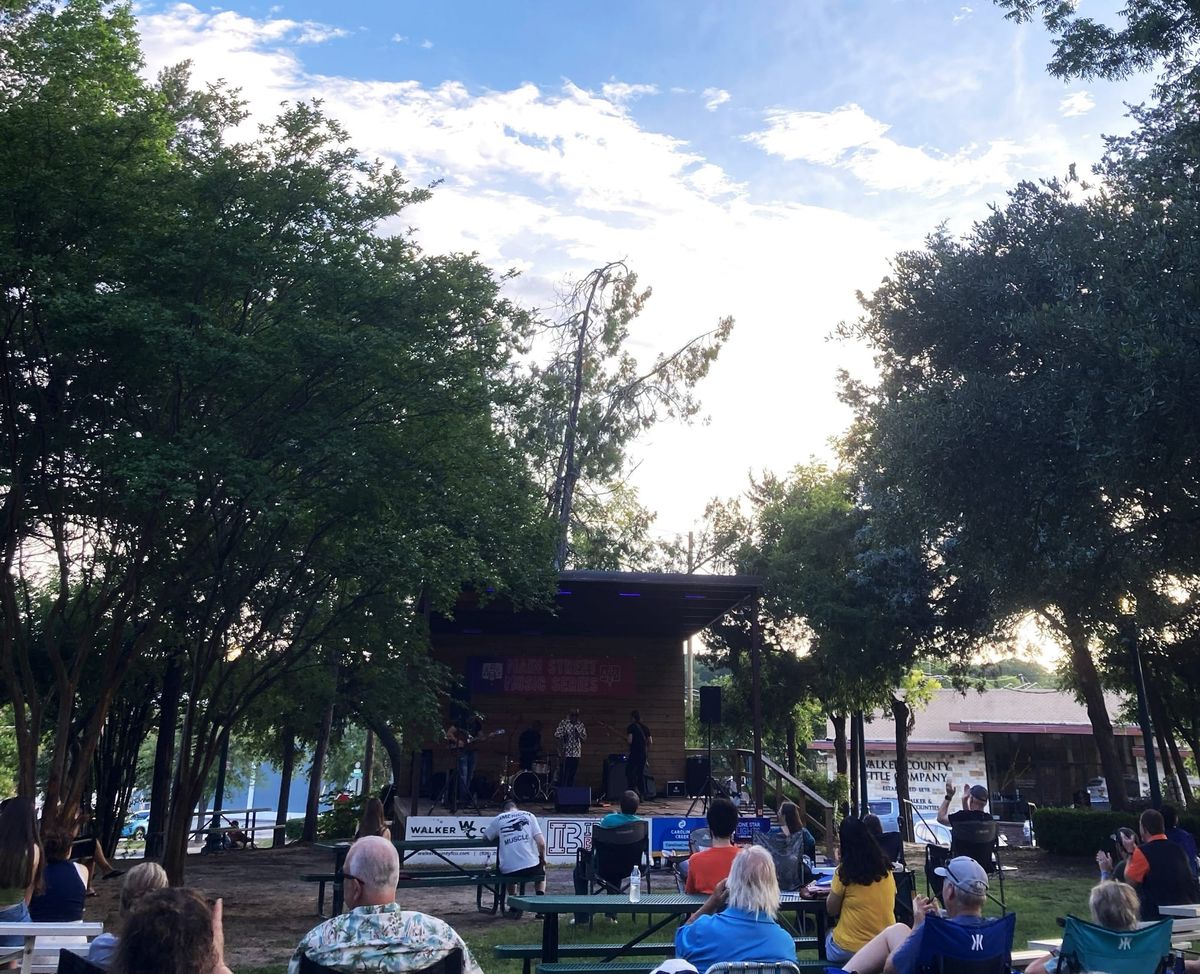
The nature of Huntsville is partly just how you get out the word. For example, Main Street puts on this nice music series downtown throughout the summer. I am part of this Sundown at Sam's music series the university puts on. To get 100, 120 people show up is pretty good. But that's not a huge number, compared to the size of Huntsville.
 Steph Mamber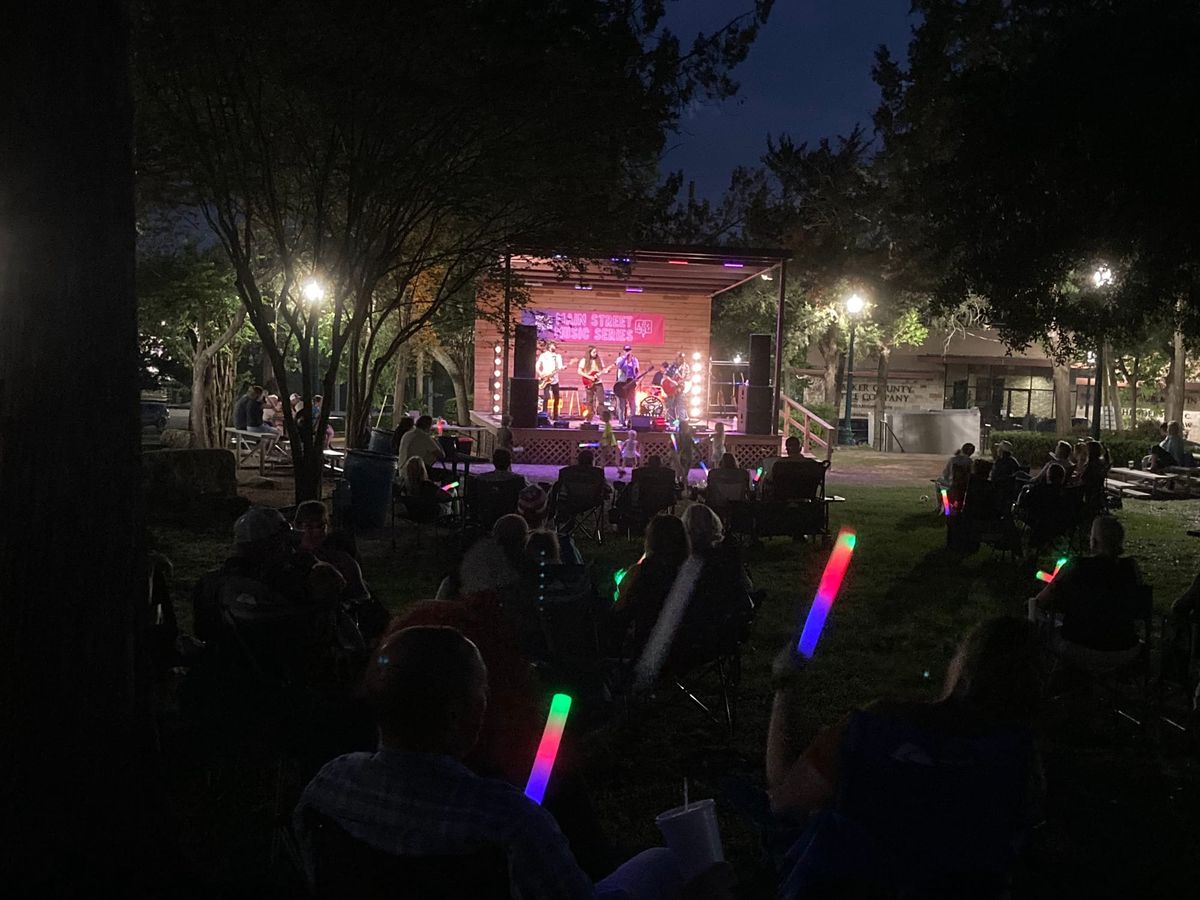
The Huntsvillan wrote about Huntsville's budding live music scene a few months ago.
The most practical way to make progress would be to have more people come to those events, however that happens, and more of them. Then you bring people in without generating some of the problems that you’re concerned about.
SS: I will tell you that the city of Huntsville is going through a strategic plan right now that involves several stakeholders. These events that are happening, let's advertise them in some manner that's all of us working together.
KB: The flip side of that on marketing, it is so hard with all of the things that are bombarding us in society to get people's attention.
DG: Yep, yep, yep.
KG: Because you can promote, promote, promote and say you've got this going on, and people would be interested in it, but they don't see it.
DG: Three-quarters of people in this town don't know Sundown at Sam’s exists. And it's been going for four years.
KB: You see a flyer when you go in a business, you might or might not pay attention to it. You've got your phone going off all the time. You've got Facebook, TikTok, Instagram, all these platforms competing for attention, so to get a message out that you are doing an event is a lot.
BI: I will say, as far as events going on, I think it needs to be more diversified because every time I see someone's coming to perform, it's nobody I wanna hear.
As far as trying to get more people downtown, you need to diversify that, so it's not just particularly country music people that are coming.
MBS: Right. I will say that at Old Town Theatre they are trying to diversify in order to apply for more grants (and the director takes suggestions into account when booking). Because they have to pay for themselves basically, they're non-profit. They're not making a lot off of these.
But yeah, it's hard to get information out these days. As somebody who has been here for 20 years doing events of all different kinds, I can tell you the only one that sold out every single time, no matter how small or big the venue, was burlesque shows.
[group laughter]
MBS: That was the only thing that all demographics of people came out for and filled the place up. Everything else is extremely hard. And so when I hear people saying how Huntsville people don't support Huntsville things, I totally understand that, and I don't know how you fix that.
Final thoughts: being intentional
MBS: So now I'm gonna open it up for a brief check-in of final thoughts. Stephanie?
SS: The biggest thing for me is the community should know that I hear them. I'm not trying to change our core. I'm not trying to grow so fast that we can't keep up with it. It really is about making the atmosphere or the economy better for the citizens of Walker County.
My doors are always open. The WCEDC opened our doors for all of Walker County. That includes New Waverly and Riverside.
MBS: Okay. Thank you. Darren?
DG: I wanna express my appreciation to everyone for being honest. As long as I've been here, almost two decades, there's been a tell that we haven’t been ready for prime time, which is that we haven't had the difficult conversations about what we need to do in this community to get the things that we want, whether we're a worker looking for a good job or a business looking for a place to locate or somebody looking for something fun to do on the weekend.
This conversation here has been different than that. I think we all understand that if we pretend that we don't have to address certain things, we just aren't gonna get there from here.
SS: Yeah. I wanna add onto that, that growth's coming. That's beyond our control. We are between Houston and Dallas, two major metropolitan areas. Growth is coming. It's how we wanna see it happen, is what we wanna get involved in.
KB: Thanks for stealing my thunder.
[group laughter]
KB: We are in the magic economic triangle for the state and right smack dab in the middle between that interstate coming and the other interstate, and it's coming.
What do we want to do with it? Do we want to have people coming in and clear-cutting all our trees? Do we wanna continue? You know, we've had the good old boy system where in the past it was who do you know kind of thing. But I think we're getting away from that, to standardized where everybody's on the same level playing field for permits and rules and things like that.
I'm from a small town. I like the small town atmosphere. I like the $5 movies. I don't need all the fancy stuff.
DG: If we're not intentional, growth will just run right over us.
KB: Yeah. You see cities that have lost everything because they have been run over.
They didn't plan for that growth. I think it's great that we're having these meetings, trying to plan, trying to see who would really want to come to town, and going after those people. Growth is coming. It's just a matter of what do you do with it?
MBS: Yeah. Blake?
BI: And so I knew it's coming up 45, and at some point it's going to hit Huntsville, and we should be ready. Being intentional about where we wanna place things. And I think Huntsville did maybe a rezoning map or something within the past few years where they were trying to change the designation of different areas of town where you can and can't build certain things.
I don't know what that looks like today, but that's kind of where it needs to start.
MBS: Well, if nobody has any more last words, we'll wrap this up. I wanna thank everybody for their time and sharing their unique experience.
Meetings of the WCEDC board are held on the first Thursday of every month at 10 am at their headquarters on 11th St., and are open to all Walker County residents.