Ready to work?
The types of jobs Walker County can attract don't line up with the jobs local students are trained for. The second of a three part roundtable discussion on economic development.

On May 29, over a meal of papusas and rotisserie chicken, The Huntsvillan gathered four community leaders at the office of the new-ish Walker County Economic Development Corporation (WCEDC) for an honest discussion about economic development in Walker County – the good, the bad, and the ugly.
The discussion, moderated by Chief Humanist Mary-Brett Stringer, had four panelists: Kaye Boehning, owner of Tomorrow's Promise Montessori Schools; Darren Grant, longtime school advocate and economics professor at SHSU; Blake Irving, whose decade of municipal government experience includes a stint on Huntsville City Council; and WCEDC Director Stephanie Smith.
The discussion was framed around a 2007 comprehensive plan called Plan 2025, which articulated eight specific economic development goals that were to be met by last year. Our first installment focused on one theme of Plan 2025: helping businesses thrive. This installment focuses on a complementary theme: workforce development. It was edited for brevity and clarity.
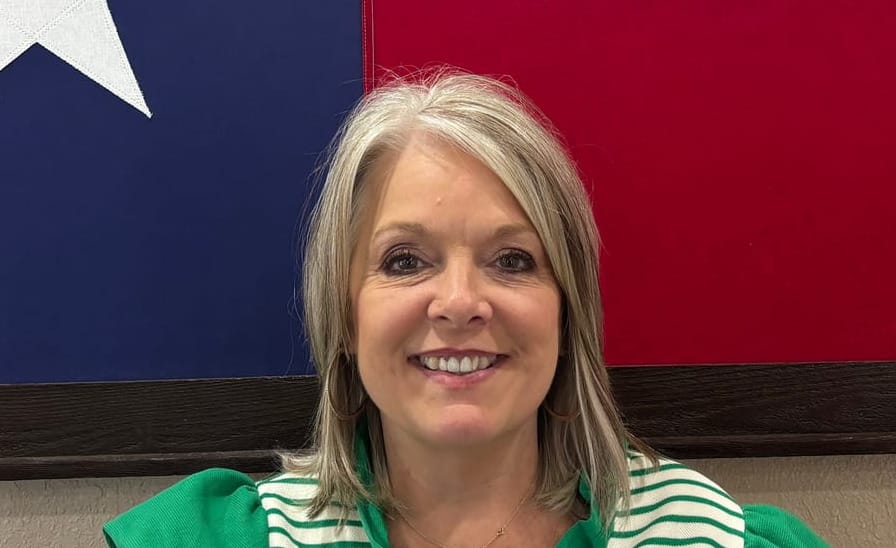
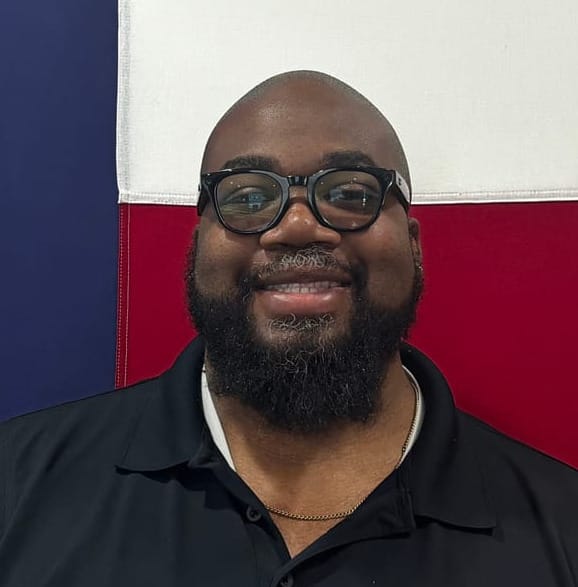
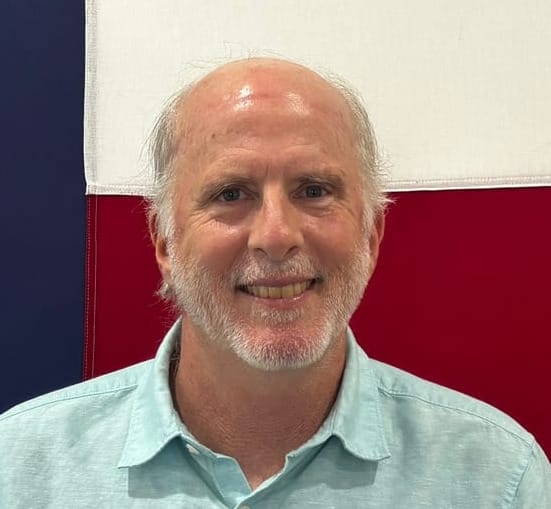
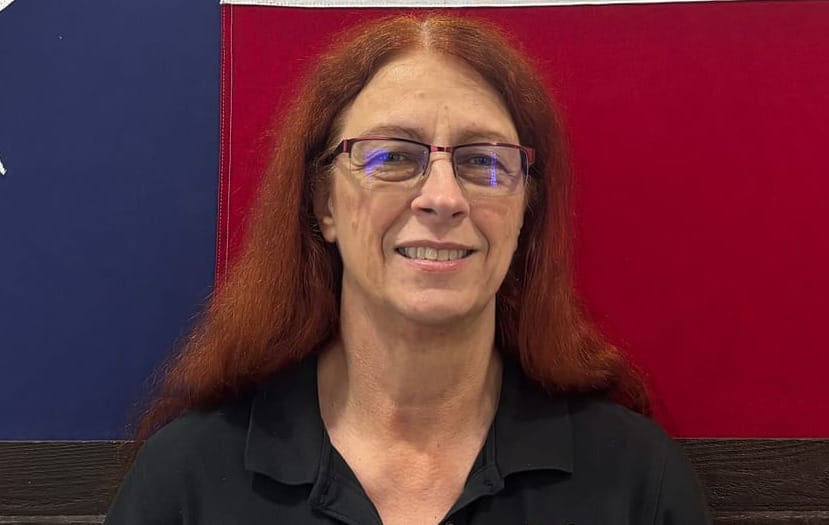
Clockwise from top left: Stephanie Smith, Blake Irving, Kaye Boehning, Darren Grant. Photo credits: Mary Brett Stringer.
Economic development is hard. Walker County is going up against many other places that have a head start on us. To be competitive, we need a genuine understanding of our strengths and weaknesses – which our panelists are equipped to provide.
Taking care of business – in the classroom
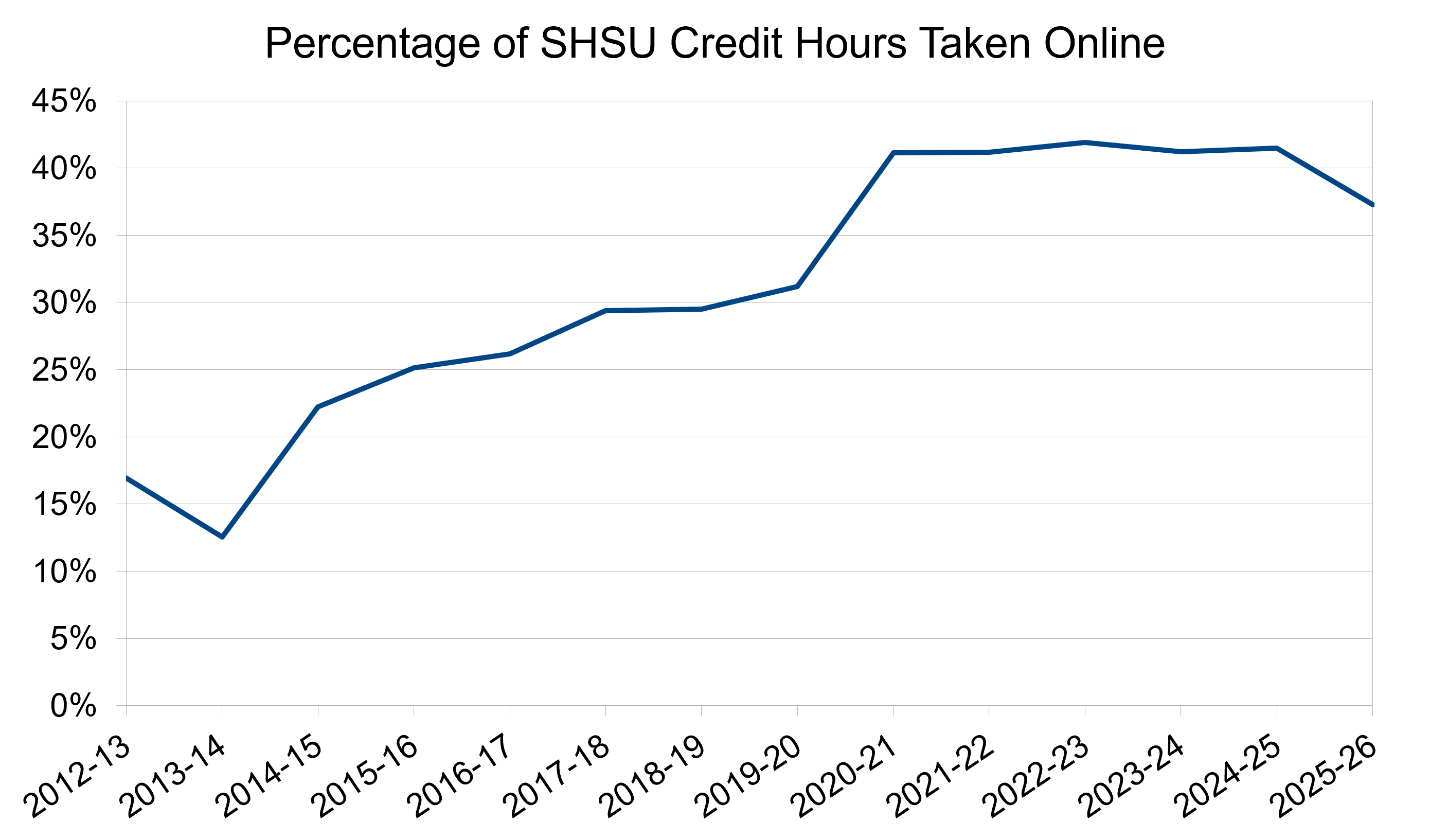
Mary Brett Stringer (MBS): We just talked about helping business thrive, but businesses also need workers. Plan 2025 emphasized workforce development, and the role of Sam Houston University and local schools. That was in 2007. Since then, Sam has gotten bigger and moved heavily into online classes while Huntsville ISD has struggled.
Kaye, in your role running Tomorrow's Promise Montessori Schools, you hire many SHSU students and see a lot of schoolchildren. Is it important to develop Walker County's workforce? What do we need to do most to pursue this goal?
Kaye Boehning (KB): I hire a lot of people that this might be their first job. They don't necessarily have the customer service skills or the people skills. As a society, we're inadequately preparing our youth to go out into the workforce.
Darren Grant (DG): I see the same thing in my role as a professor. Students come to the university with less life experience than they used to. I think that there is a real role for higher expectations.
That applies to Huntsville ISD and Sam as well. There can be a tendency toward lower expectations 'cause it's easier. But this whole town should be pressing all of our educational institutions to focus on the quality of the graduates that are put out and their preparation for the workforce. Huntsville ISD is better than it used to be, but it still has a ways to go.
 Steph Mamber
A recent article in The Huntsvillan showed that relatively few Huntsville High School graduates are heading off to college.
KB: A lot of it started with No Child Left Behind and things like that, and phones–
The fact that they made a law to ban these from the classroom is just asinine to me. How can you concentrate on the teacher or the professor when you've got the phone, and they're texting their parents?
DG: And to be clear, you're saying it's amazing that they had to make a law to get them out of the schools.
KB: Yes.
DG: I agree with you 100%.
KB: What happened to the common sense of, "you can't have this?”
DG: I watched this process in Huntsville ISD. It was clear that the phones were quite a problem, but there was no impetus to get them out of the classroom. New Waverly ISD took that more seriously. There's a problem with phone use in class at Sam as well.
KB: Then the universities, they have watered down to the point where everybody has to have an A. The universities have watered down what they teach, so we're graduating people who are watered down from what they were 20 years ago.
DG: Yeah. That's true nationally, and then here in Walker County, we're not just a reflection of national trends. Many areas comparable to us have stronger schools. Sam's gone pretty strongly into online education, where you lose that finishing aspect of being in person.
KB: Some of the online stuff – what are they doing in terms of social development?
MBS: Right.
KB: Because I've hired some homeschool graduates (where there can be a lot of online), and they're very knowledgeable, but I'm working on the people skills, the confidence to be around people.
I teach little ones, but I also teach bigger ones. The thing is, at some point in time, we just started advancing children regardless of whether they knew the material or not.
MBS: Right.
KB: And that's where I try to focus in my schools, where you don't go to the next lesson until you know what this is first. But we keep pushing these children on and on, then they're graduating, and they may be functional at the sixth grade level. Then they go to college, some of them, and they're in remedial classes.
Well, that's not serving that student to have to spend that money to take a remedial class when they made an A in high school, but now they can't do the college work.
How ready are we really?
DG: Stephanie, do you see potential employers coming in and asking, "What is the skill set we have to draw from?" Is that something you encounter?
Stephanie Smith (SS): Workforce development is huge in economic development today because the number of jobs that some of these companies are requiring are in the hundreds to even thousands. They wanna see what your population is, what kind of certification programs, 'cause not all of these jobs require a four-year degree or a master's or PhD.
We had a project for a company that wanted to partner with Sam Houston State in training their workforce. They didn't really need a student who came out with a certification. They just want a program tailored around their needs.
Colleges will do that. Sam Houston State has been great at coming to the table, and we'll hopefully be able to announce this project fairly soon. They've just gotta buy the land.
MBS: Is that something you've talked with the school district about, in order to create a relationship to train them?
SS: I've had conversations briefly with Dr. Hail (New Waverly ISD superintendent), more so with Dr. Sheppard (Huntsville ISD superintendent). We haven't got as far along with them as we probably need to, but they are happening.
They have happened a lot with Sam Houston State, but it is the coordination and the communication with the school districts. They've asked what industries I'm trying to attract, so Sam and the ISDs can coordinate to make sure their programs complement each other.
KB: And Huntsville ISD has a wonderful CTE program that covers several industries, and they graduate with certificates in different things.
MBS: Can you share what type of industry it is that you have that partnership with the university?
SS: It's a high-tech sign manufacturing company. They wanna be close to a college because they're gonna bring in [something like] 150 employees each year for the next five or 10 years.
DG: It's interesting, what you're kind of saying is our sweet spot in terms of jobs is in between a high school diploma and a bachelor's degree level. You have some additional training, maybe community college, certification of some sort. Those are perfectly good jobs, and certainly not everyone needs a college degree.
But it's also interesting that we have a major university in this town, and yet the kind of jobs that we're talking about are in this other range.
Jobs for whom?
DG: Blake, when I think about you, here is a young man with a college degree, but over the last 10 years, you've worked in Bryan, you've worked in Conroe.
Blake Irving (BI):. Now I'm in The Woodlands. The only job I've had here in Huntsville was driving a school bus straight out of high school and working at the Huntsville Item while I went to college. Other than that, never had a job here.
DG: Right. So here we have somebody with a college degree, skilled, capable, and has worked practically everywhere.
MBS: But here.
SS: That's the dilemma. We have over 21,000 students who come through Sam Houston State each semester. They get their degrees and go off for jobs because we don't have the quality of jobs that we need to capture that talent.
KB: And then you have somebody who moved here 30 years ago with a master's degree and started a company here that has expanded into employing 72 people.
DG: Yes. There are definitely some homegrown entrepreneurs, but quite a bit of energy does come in from the outside, like yourself Kaye. That's not a bad thing. But you do see people who have come through high school, or graduated from Sam, then they go down to Houston.
SS: They're driving to The Woodlands. The Woodlands people are going to Houston. Have them come up here. It takes a lot less time to get to Huntsville than it does to Houston. Let's get some industry in here that has some higher salaries so we can capture the residents.
DG: Right. But to do that, things have to be different.
SS: Yes.
DG: Because right now, as you just indicated, our sweet spot is not there. Our sweet spot in terms of jobs is a notch below that.
The students come to Sam, and for many of them the default will be to go back home afterwards. They come here, there's not much to draw them off campus. So it's limited interaction with the town, a lot of online classes, and that means that they're in their apartment–
MBS: Or they're not even here at all.
DG: Or they're in Conroe or whatever.
KB: But also, how many of the professors live here?
DG: Absolutely true. Usually, if I'm anywhere, I'm the only professor in sight. So many of my fellow professors live out of town.
KB: Which is sad because Sam Houston promotes helping the community and has their students volunteer in the community. But you never see the professors.
DG: And so the professors have a limited understanding of the student experience. They come to us with a limited knowledge of the world. They weren't often free-range as younger children, so then they don't get out and about from campus.
They have limited interaction with the town, so it's easy to go back home after graduating.
 Steph Mamber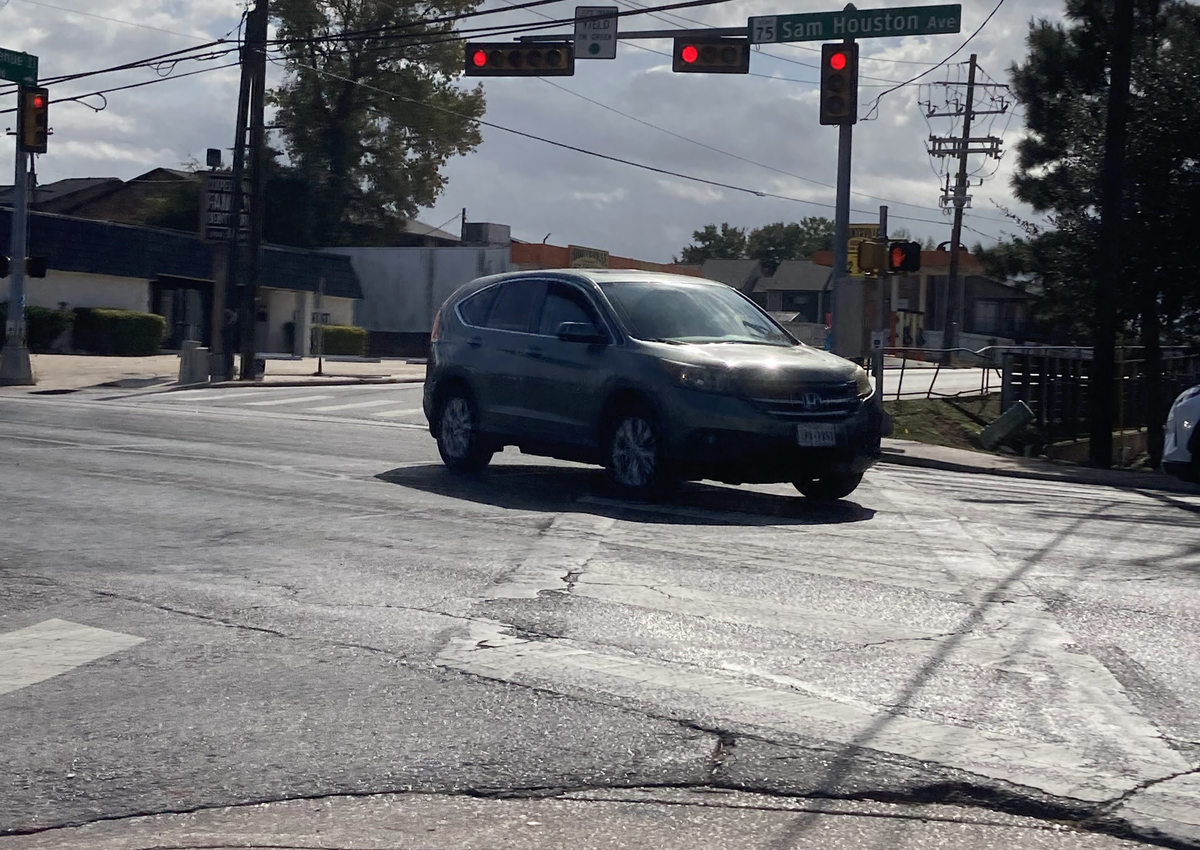
Last fall, The Huntsvillan published an article on impediments that inhibit SHSU students from walking to class and to downtown.
SS: The Center for Community Engagement and General Glaser [at SHSU] have done a fantastic job in connecting some dots for me and others, getting us involved in communications [about internship opportunities] and exposing the students to the world outside of campus.
But more businesses in this community need to learn more about that and engage. I have been impressed by the talent that I've seen. The talent and work ethic of these kids are amazing.
MBS: So, in the spirit of my original question, is this goal worthwhile? Should we still be thinking that our workforce for these industries that we wanna bring in is gonna come from the university and the high school, knowing there's a disconnect between university kids and high school kids being prepared for these jobs?
SS: Yes.
MBS: So how do we bridge this gap? Or could any issues arise if the industries that come in are not happy with the locals that they're hiring?
DG: I think Mary raises a good question about the disconnect between the sweet spot in terms of jobs and the nature of these two big school systems. But then Stephanie, you've said this is what we wanna be working on.
SS: Yeah. And we are working on it. There are still some disconnects. It is getting better, and as we continue to diversify the industries, those conversations will become more frequent. I did this back when I worked at CenterPoint in economic development, we'd get a company, they're looking to place 2,000, 4,000 jobs, and they wanna know about our workforce.
What I tell people, and it holds true here in Walker County, is that for the right amount of salary, people will drive one hour one way. Our population in Walker County is almost 84,000. Within a 30-mile drive, we tap into another 325,000 in the workforce. Within sixty miles, another three million.
MBS: So is your main goal bringing in businesses to bring in people from out of town? Or is it to benefit Walker County residents already here?
SS: It's twofold. If they come and work here, they're gonna shop here, they're gonna spend money here, and that's a whole 'nother tax base. But my priority is for the residents of Walker County, and then you get the trickle effect of having benefits outside of Walker County.
If we're going to come to the table with some type of incentive [to a company], we're gonna require them to have a certain number of hires from Walker County.
KB: The other thing is, if I know six months from now there's gonna be XYZ plant, and they need ABC worker that has this certification, and it's gonna pay me $100,000, I'm gonna see if I can find a class to sign up for to get that job. Your workforce will improve.
Unforgiving economics
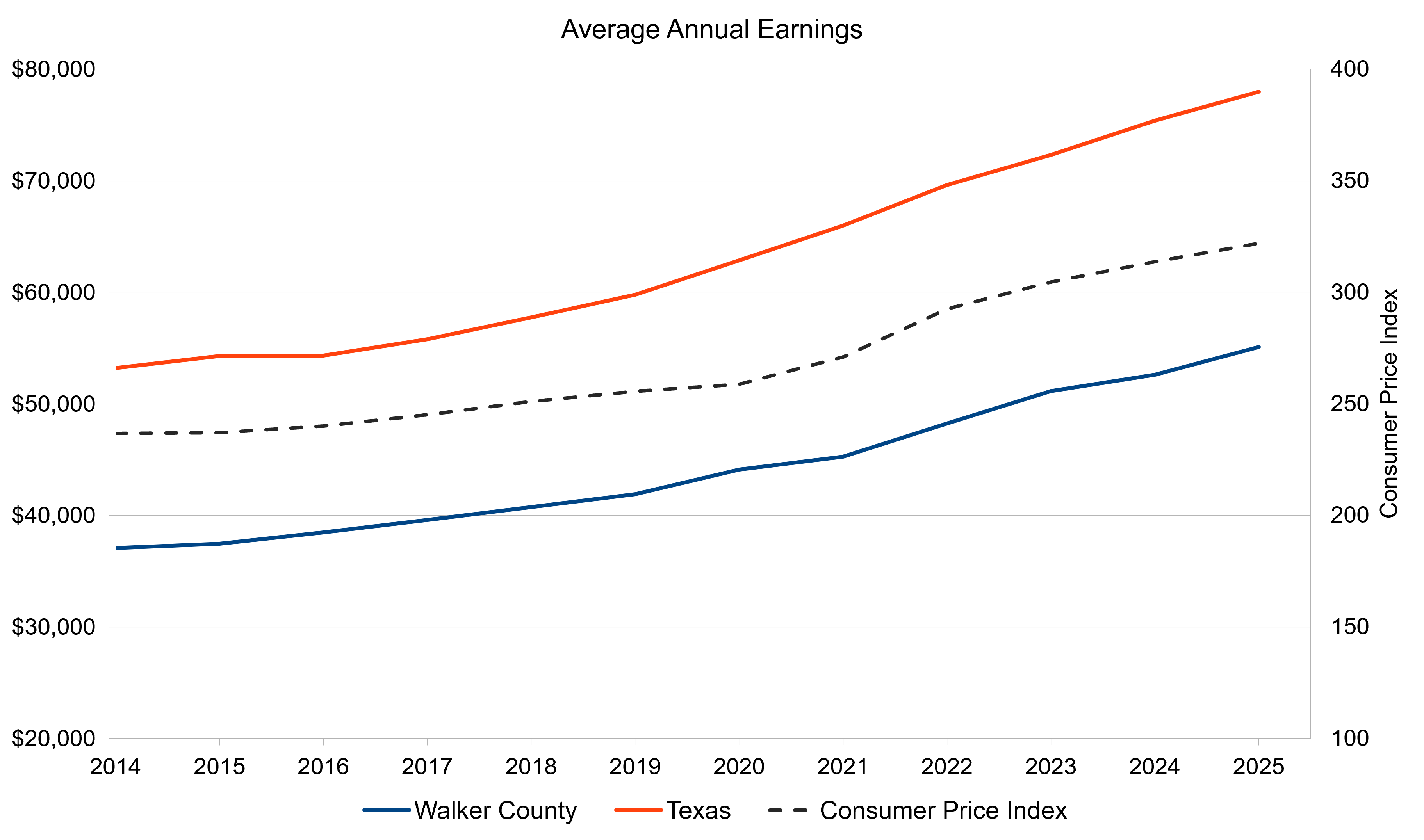
DG: I feel sad when I think about some of the jobs people have, they're trying to support children and families, and then at the same time the economist in me says if your skill set is X and there's supply and demand, and business owners like Kaye or anybody else, their customers have a price point that they're expecting.
So everyone's squeezed by supply and demand. But at the end of the day, you have people who aren't able to bring in the kind of income that would allow them to do as well for their children as they would hope for. I see that. One of the great things about Huntsville is that you get to know people from all walks of life.
I would just love, love, love to see higher pay throughout the full income range, including people with more modest skill sets. But that has to start with bringing better-paying jobs to Walker County, and for that to happen, they're gonna want a higher level of skill.
It is frustrating to me. I wish there had been a clamor over the last 15 years from the community about raising our game in preparing graduates. I hope that that's something this community can do going forward. Stephanie, it'd make your job a lot easier.
SS: Yep. We keep having those discussions, and I think the appetite is there through the ISDs and the college. If we lose a project because we don't have the workforce, then that's my job to tell that story.
If it's due to the workforce, then what can we do about that? I worked at CenterPoint when McCord was developing Generation Park, and over in Lake Houston area to fill some of these spaces.
They lost a project called Amgen, a huge life science project. And what McCord did, what every economic developer needs to do when they lose a project, try to find out why.
It was because there wasn't workforce training around life sciences. There was no clean lab space. So what did they do? They partnered with San Jacinto College and built this huge, clean lab workforce training program that's gonna train the workforce for seven Southern states.
So you ask those questions and you fill in those gaps. We're not gonna win every project. When we lose, we ask those questions, and we find out why. It's gonna make us stronger if we listen and fill in those gaps.
BI: In my experience, trying to come back into Huntsville and find jobs, either A, there aren't many jobs that have that salary I'm looking for, or B, those employers are part of the “good old boy” system, where they're only hiring their buddies and partners that aren't necessarily qualified, just because they know them.
And so me having 10 years of municipal experience, the city here having a few positions that on paper I'm definitely qualified, I've been in that department for 10 years in different cities, but to not even be selected as a potential person knowing that I live here.
It’s just kind of another hurdle, that slap in the face because I'm from here. Been here all my life. I have the skill set, but you pick somebody else from out of town. How many other people are in that same situation?
MBS: Right. That's those small-town dynamics, which transitions us to our last topic, Huntsville’s perception, creating a positive image and a vibrant downtown for Huntsville. We'll talk about that next.
The third installment of this round table, focusing on the city's image and downtown, is here. Like what you read? Smash that subscribe button at top right (laptop) or in the drop down menu (phone) and get occasional updates when new stuff is posted.