Renaissance at Huntsville State Park
Everything old is new again at the park, which is poised for a comeback.
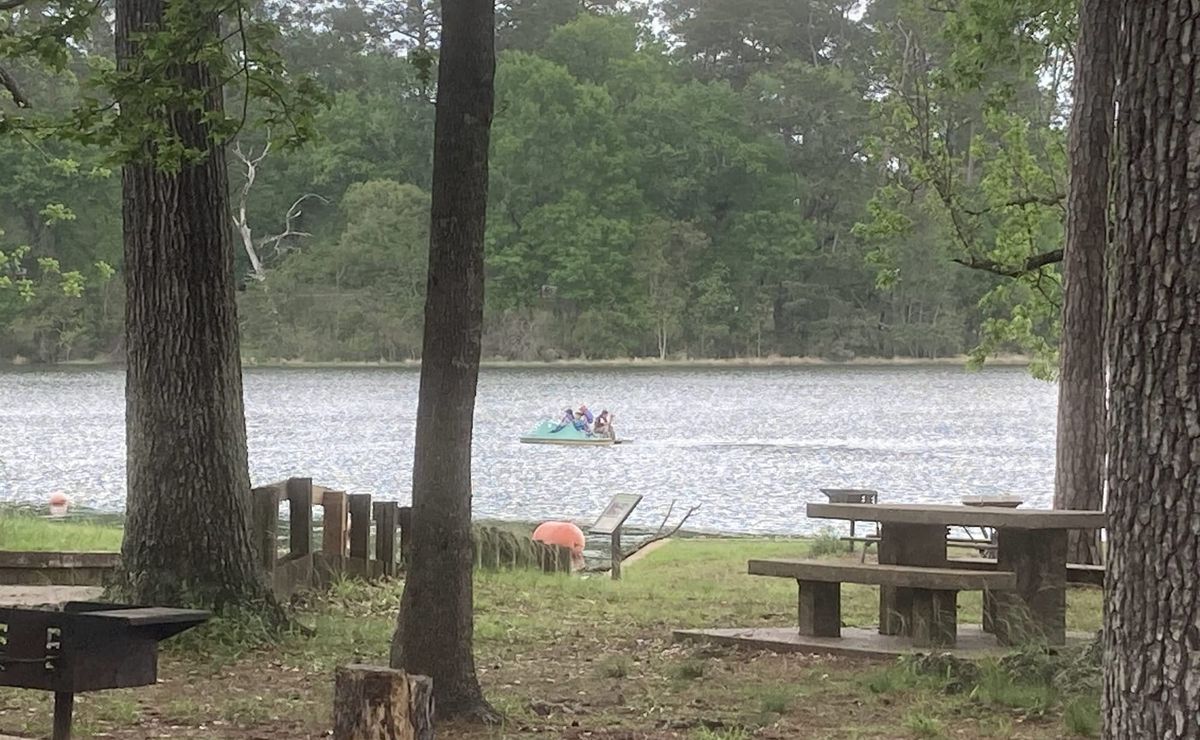
Every child knows that backyards are the best. You can play for hours and get as dirty as you want and still not get in trouble.
What's it like to have a big backyard? A really big backyard? Huntsvillans know. Our collective backyard is bigger than anyone's: Huntsville State Park.
The park is poised for a renaissance, springing back from recent challenges and adding new features. Still, it has a ways to go to return to its glory days of 2013-2016, when it was one of the most visited parks in the state.
Our own forest oasis
Huntsville State Park's centerpiece is its lake, ideal for swimming, boating, and fishing. In this respect it is similar to other East Texas parks like Lake Livingston State Park, Martin Dies, Jr., State Park (near Jasper), and Tyler State Park.
But it stands above those other parks because of what surrounds that lake: a forest full of trails. The extent of Huntsville State Park's trails tops any of those other parks. Adding in those in the adjoining national forest makes for an unbelievable wealth of hiking and mountain biking opportunities. Some Elkins Lake residents could dip into the woods behind their house and arrive at the park's Nature Center a few hours later.
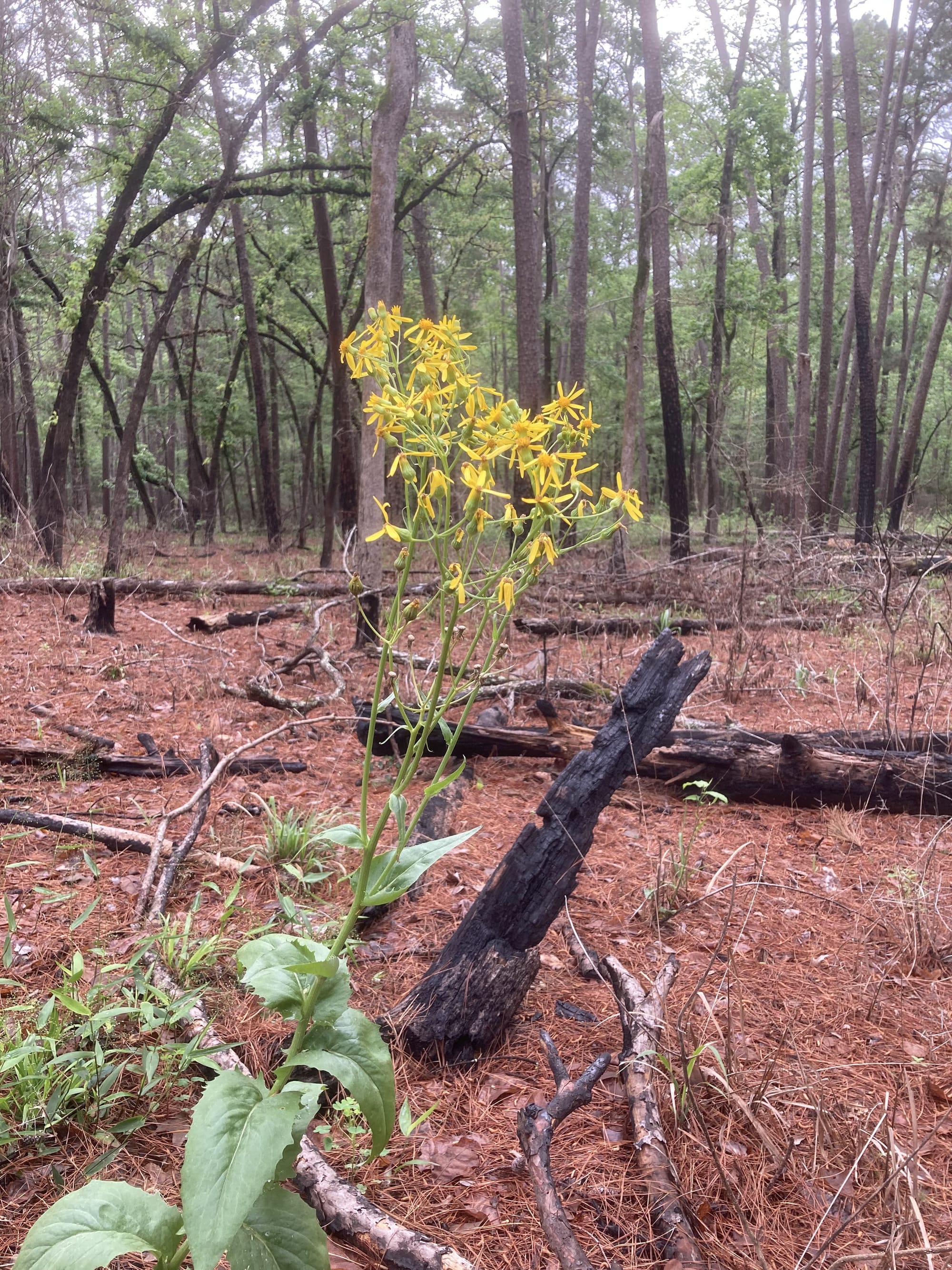
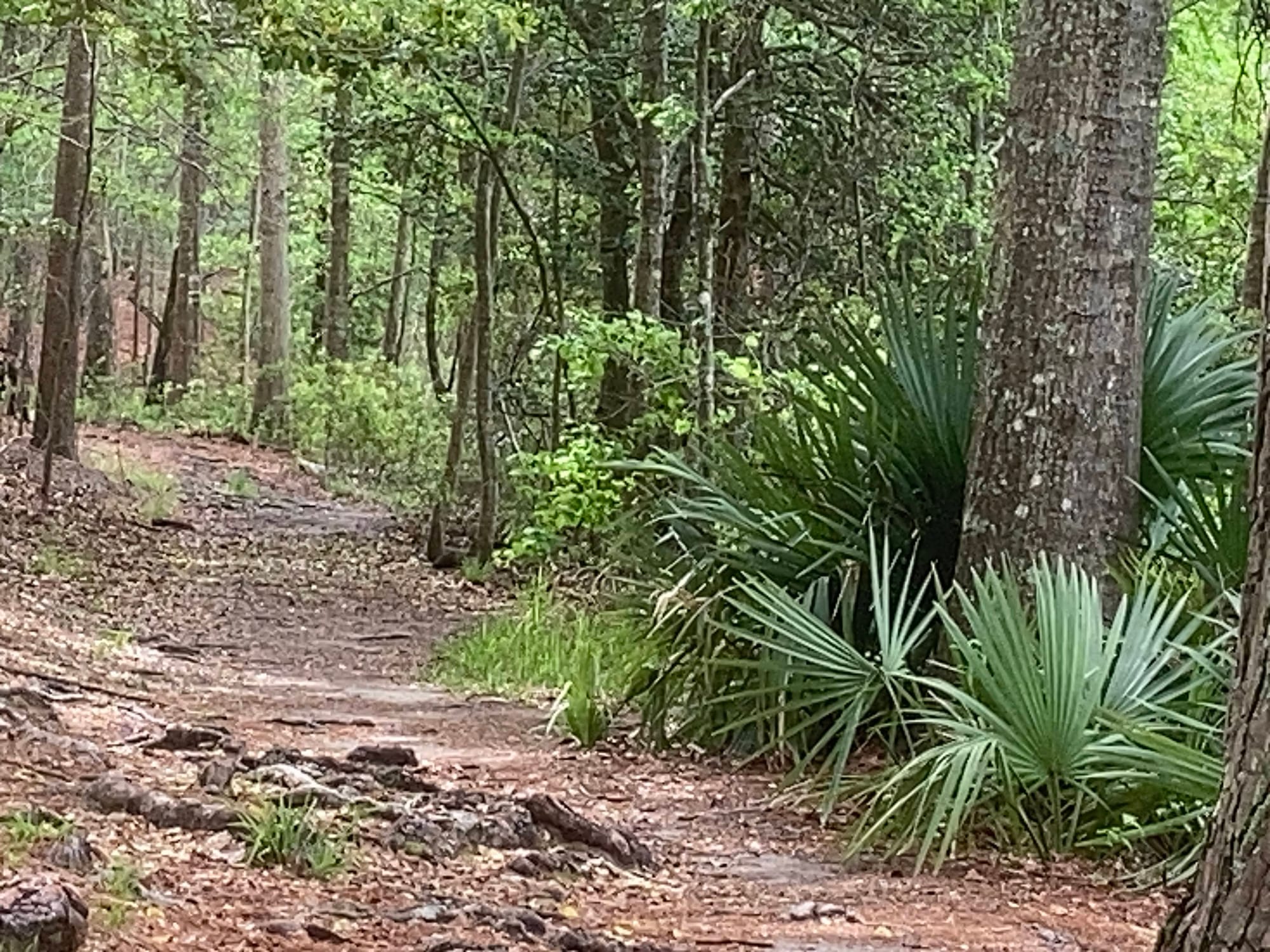
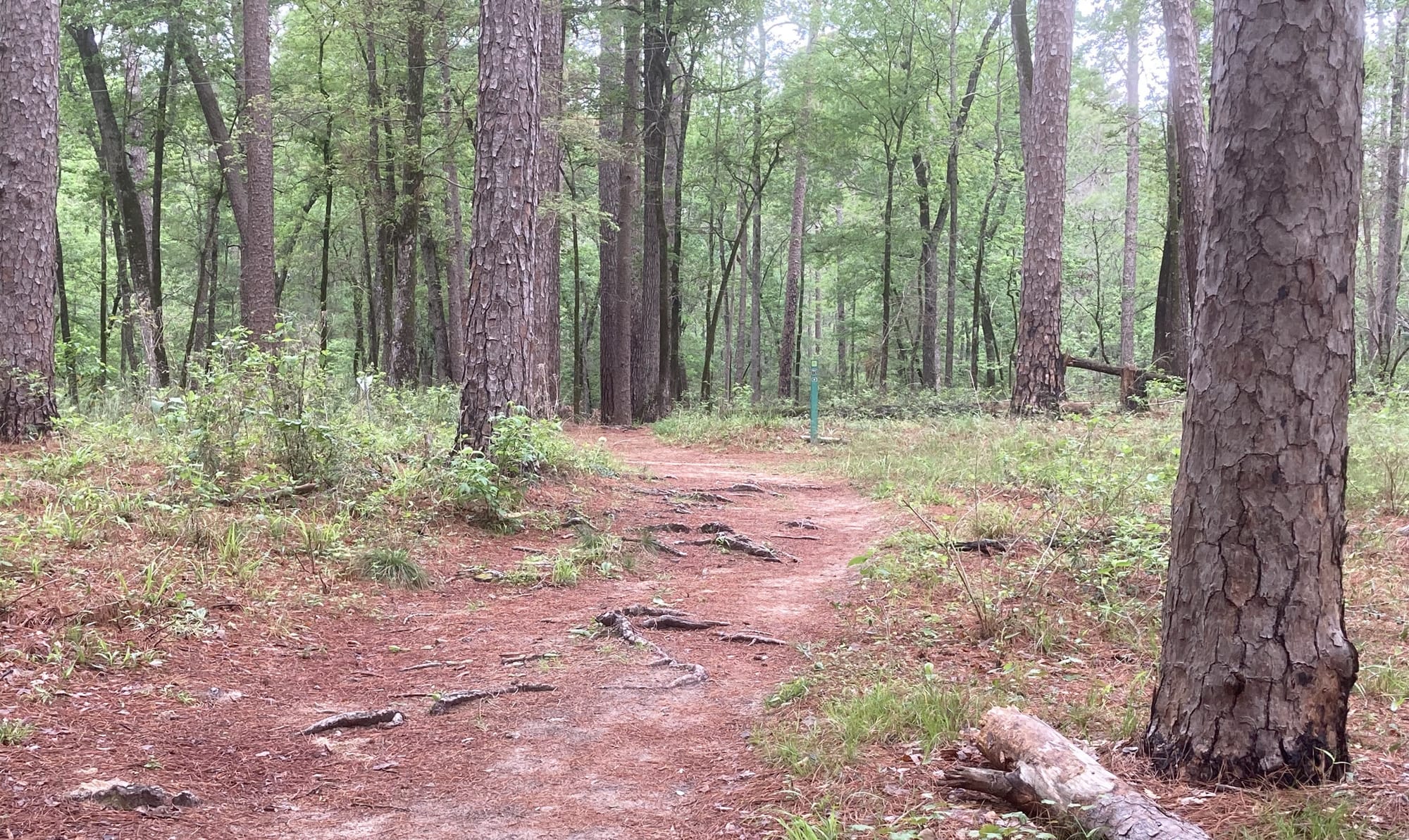
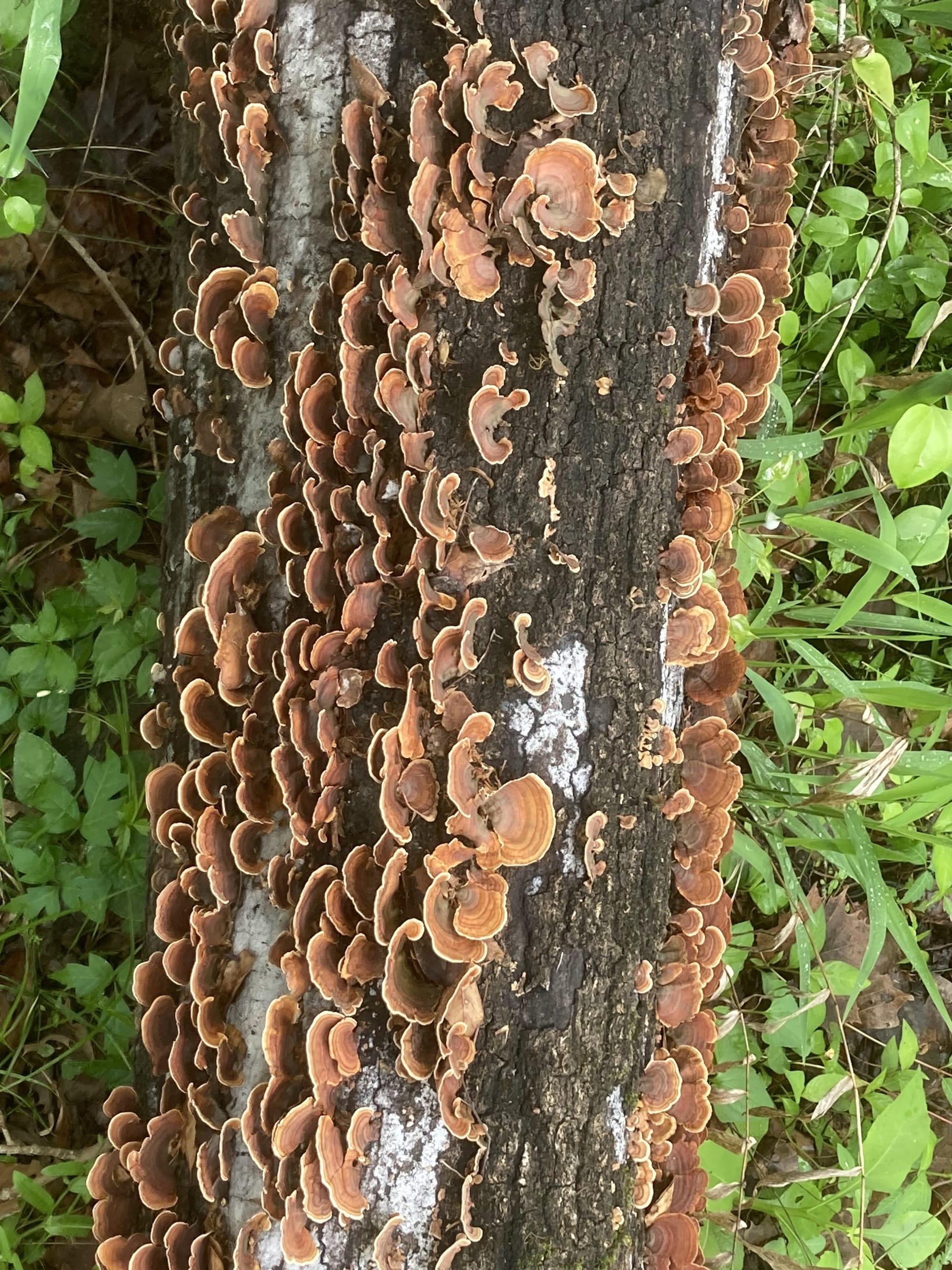
Clockwise from top left: new growth after fire, along the Prairie Branch Trail, an unexpected splash of brown, the Chinquapin Trail.
The other standout at Huntsville State Park is the camping. It is loaded with sites on the water, and even those off the water have a view of the lake. The sites are spacious, the tent sites grassy and flat. And while park entry isn't cheap – $7 per person, unless you have a pass – the camping is. Sites top out at $25 per night.
One particularly grand spot is tenting site 69, right along the water. It is big enough to hold Joel Osteen's house and has a 270o view of the lake, where you can watch kids splash in the swimming area across the water, with paddleboats and kayaks going by.
Occasional shorebirds wade in the reeds near the water's edge and squirrels comb the ground for nuts. At night you sometimes hear alligators slap their tails on the lake's surface far away; morning is a riot of birdsong. All this sets you back $15 per night – they don't even charge tax – and park pass holders sometimes get a discount on that.
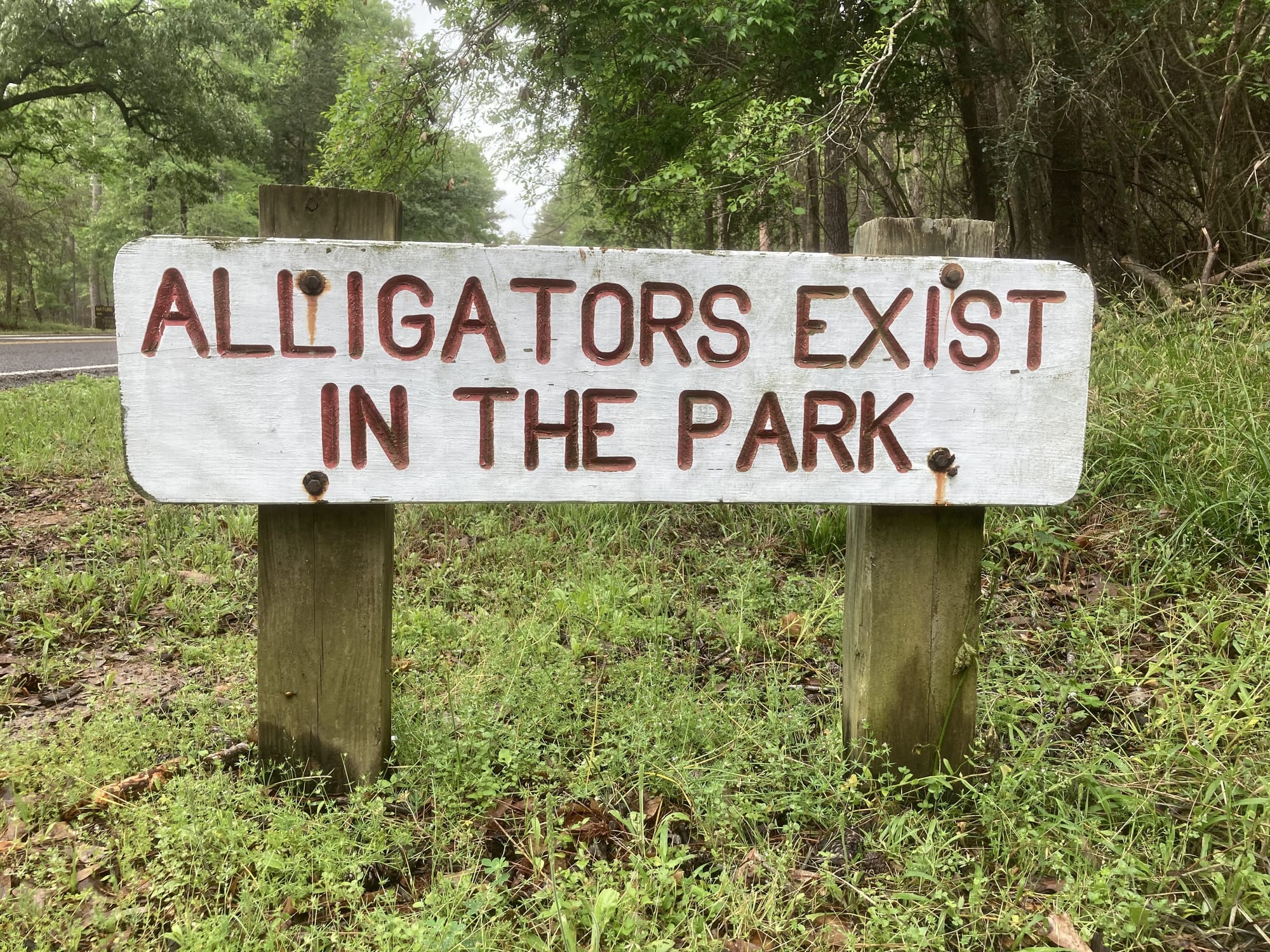
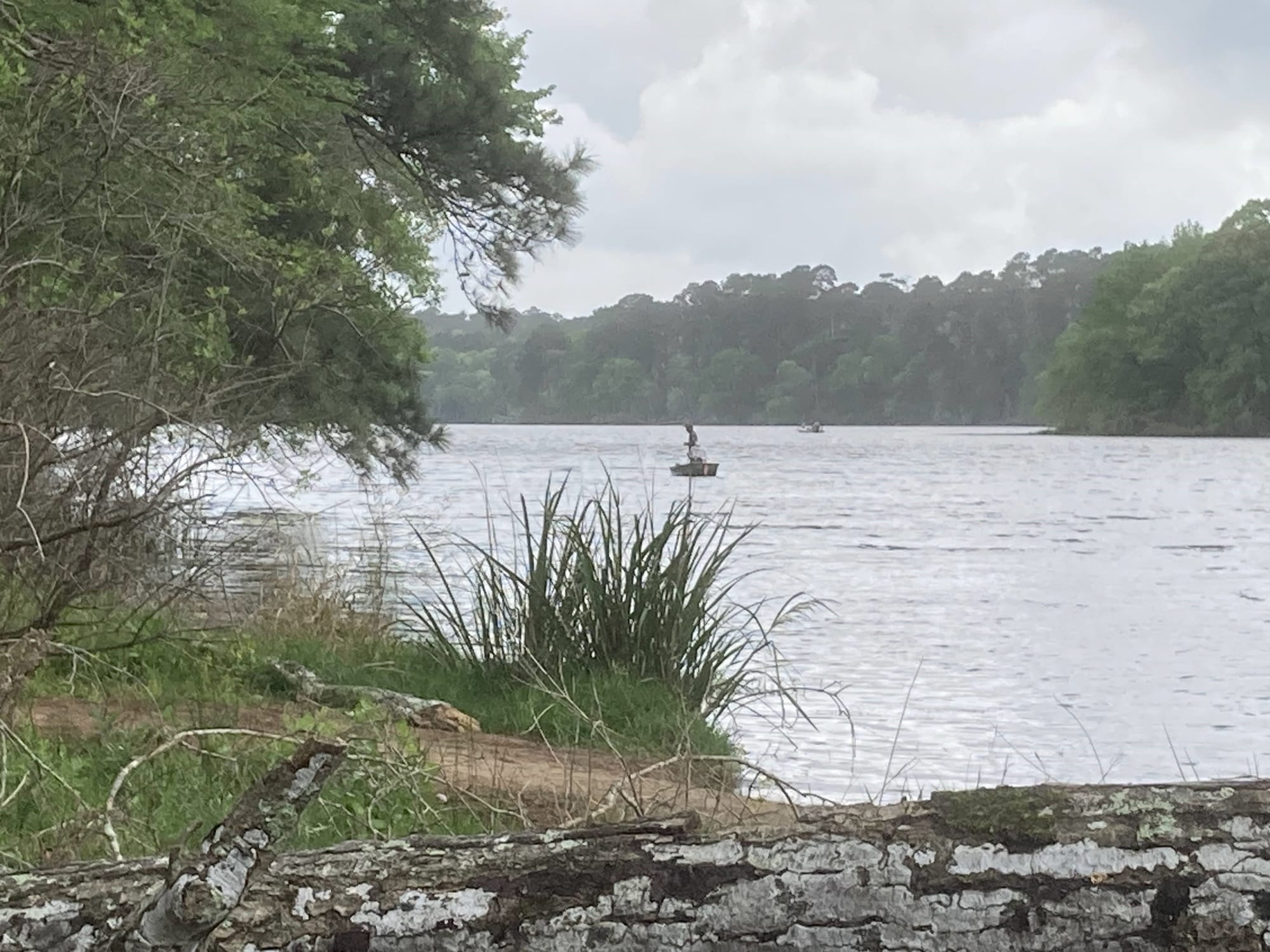
The park has two kinds of fishermen: reptilian and mammalian.
To cap things off, the park is celebrating its 70th anniversary on May 16, with a variety of interpretive events that are still under development. "We just want people to come out and enjoy the park just like they have been doing for the last seventy years," says Park Superintendent Thomas Milone. Details will be posted on Huntsville State Park's Facebook page before the end of this month.
They've been flooded with work
Keeping up a state park is a lot of work. Even routine sun, wind, and rain wears things out. Things grow where they shouldn't and don't grow where they should.
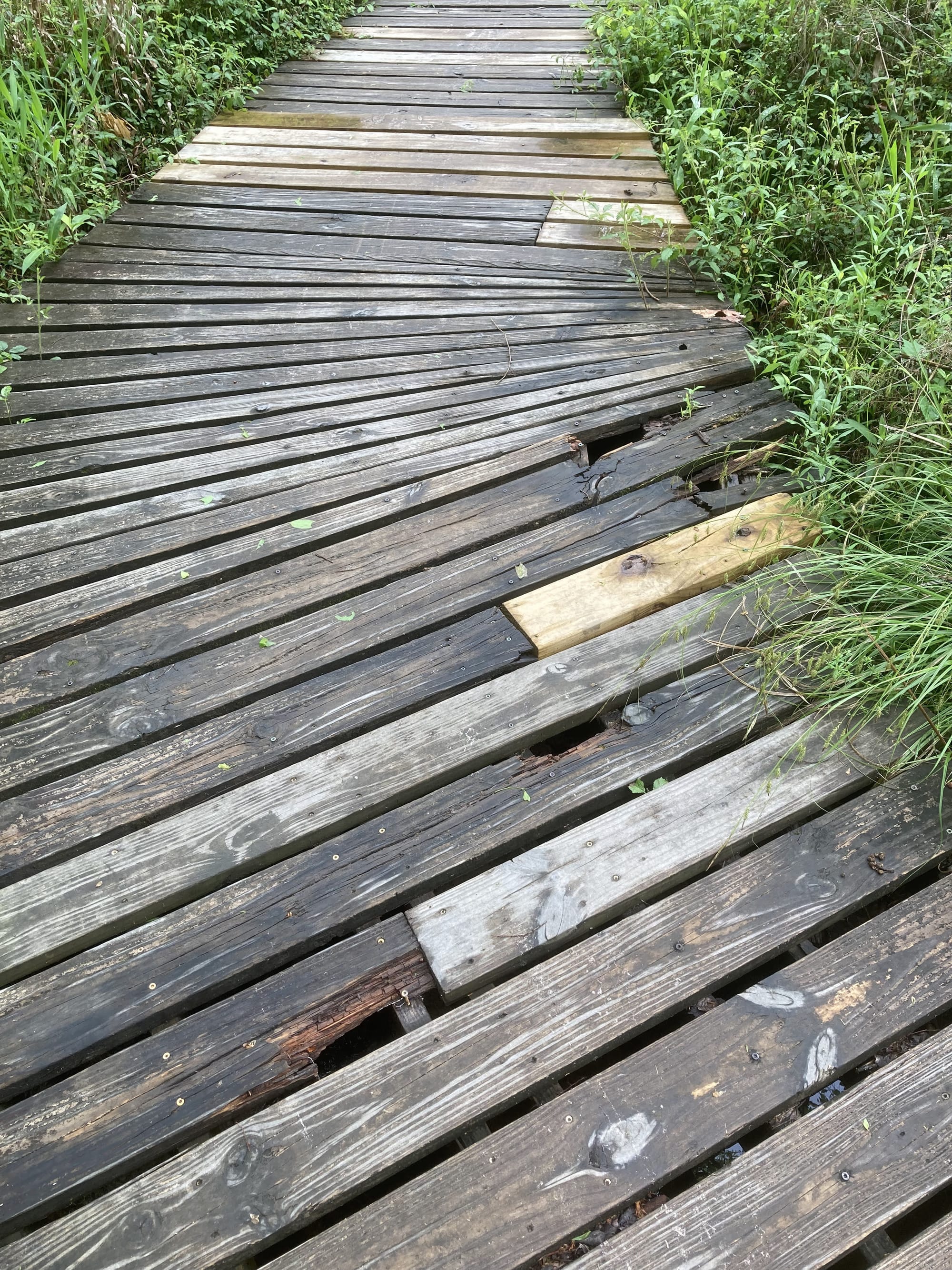
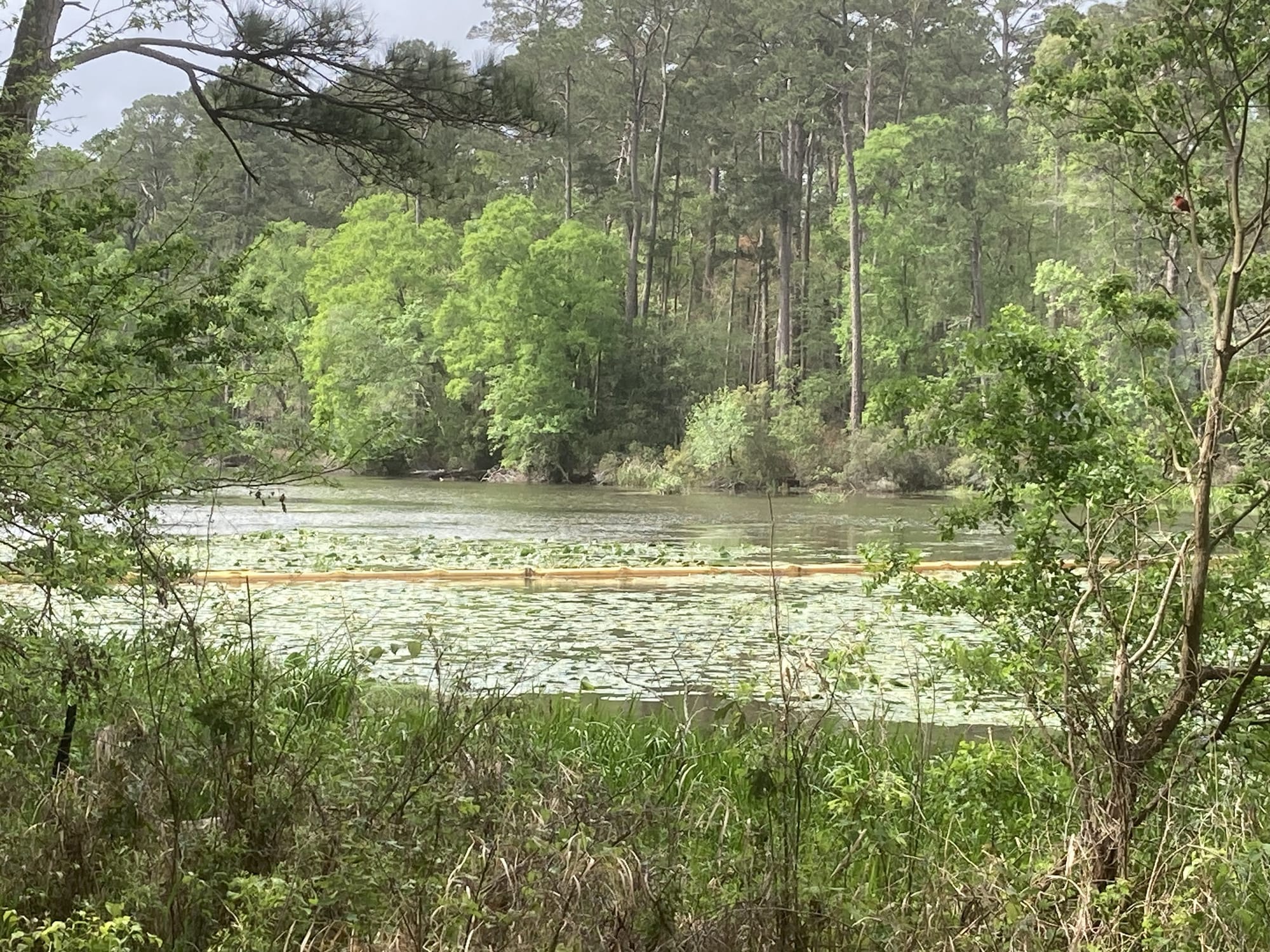
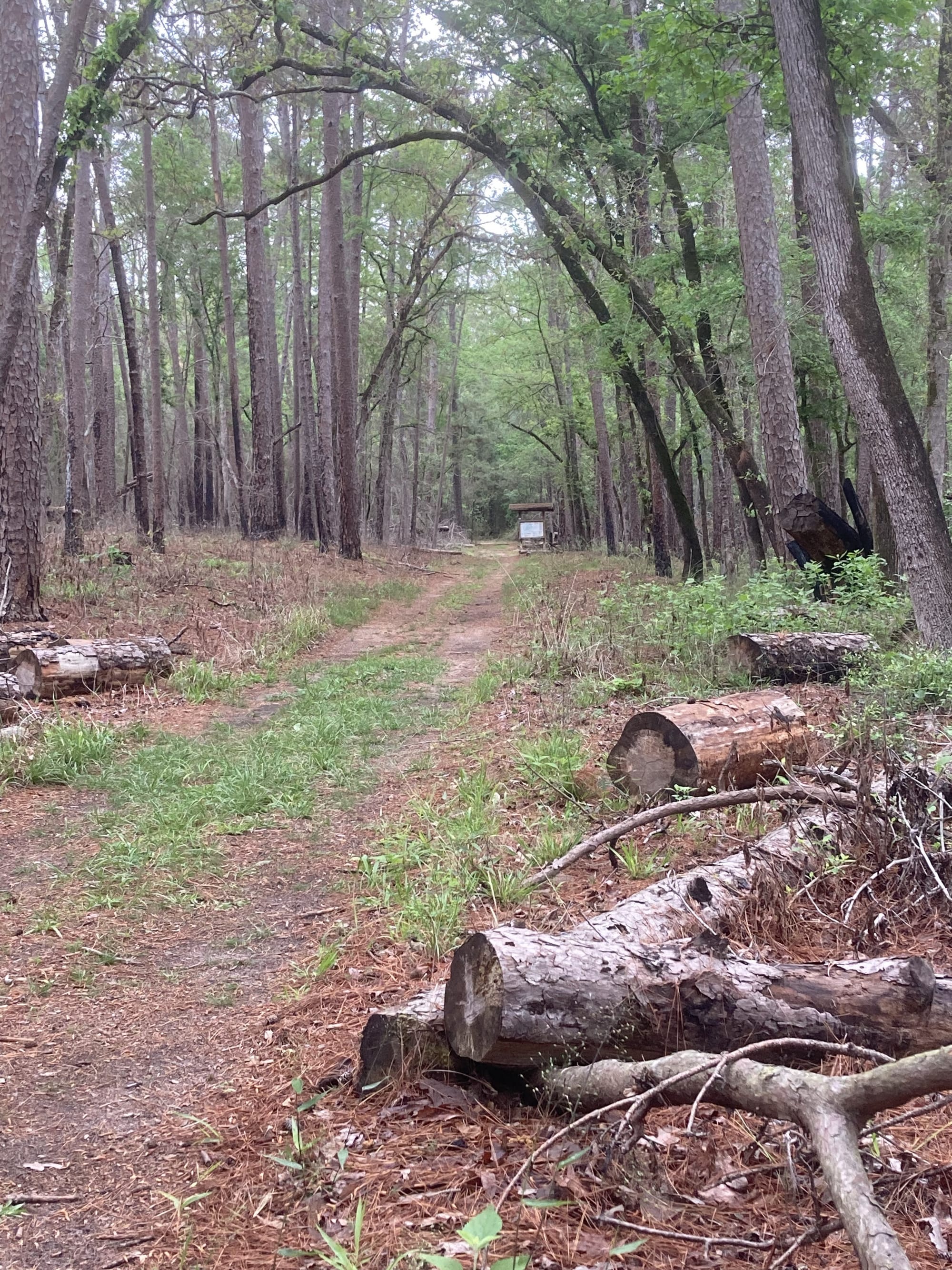
Rotting wood, growth on the lake, and downed trees are some of the issues park staff must deal with.
Huntsville's May 2024 floods were especially taxing. All that rainwater raised the lake by several feet and tore up trees, trails, and roads on the way down. The lodge was flooded with 3-4 feet of water, necessitating new flooring, electrical wiring, and air conditioning. The boat house was similarly flooded.
Assistant Superintendent Holly Christie says, "I remember one day we had twelve trees down on one mile of Park Road 40 [which leads into the park]. We spent the entire day just getting the road open."
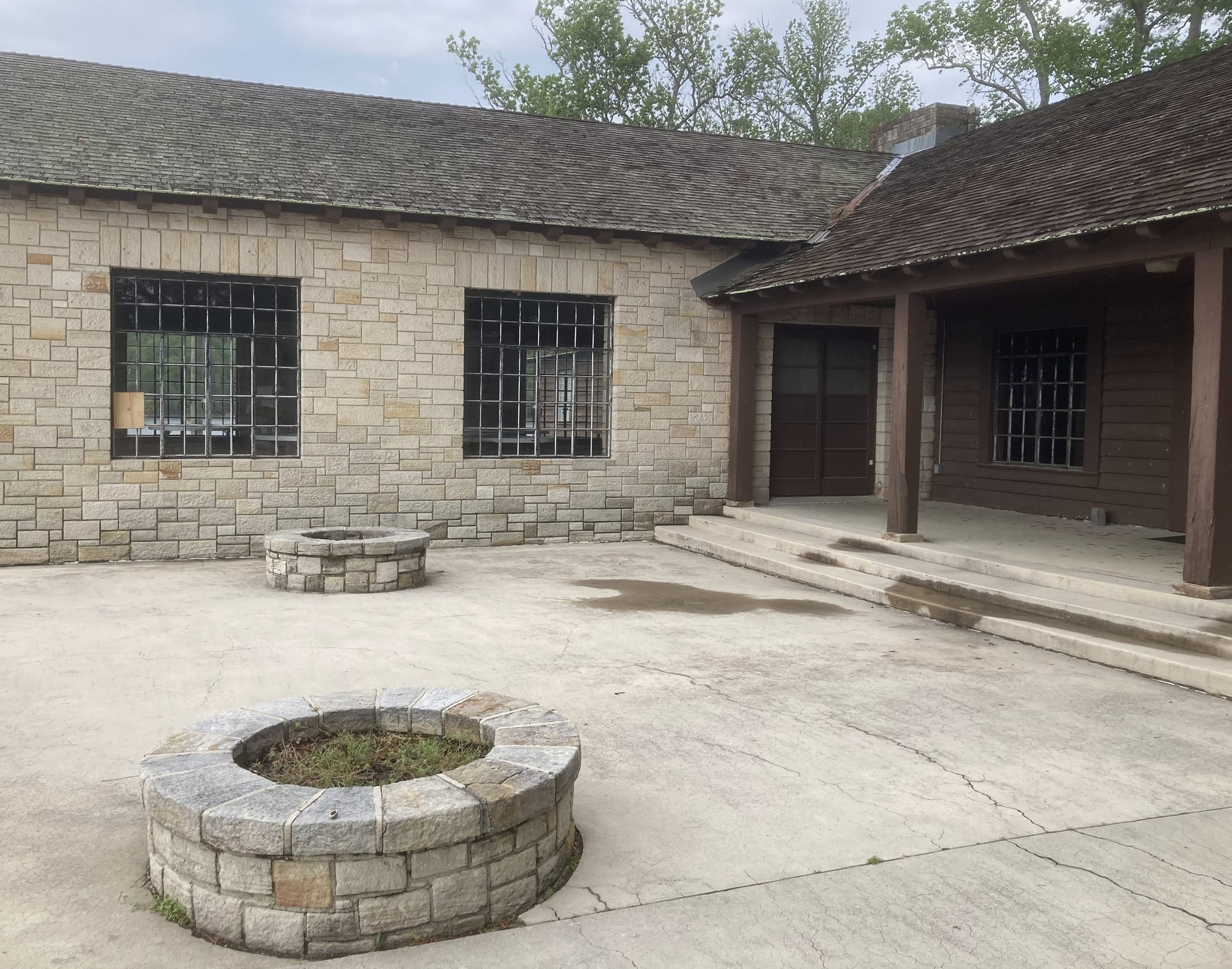
Many volunteer groups worked to restore the park after the floods and one group, the Huntsville Trail Team, has been regularly helping maintain the trails. Until recently, another group, the Friends of Huntsville State Park, provided financial support, but it is no longer active. "It just kind of slowly faded away," said Milone.
While some things were repaired quickly, others take more time. The park is now on the cusp of re-opening some old features and introducing new ones – a renaissance of sorts.
Milone talks about the park with the excitement of someone who had lots of backyard time as a kid. He is particularly animated about the CCC trail, named after the Civilian Conservation Corps, which helped build the park. Flooding during Hurricane Harvey closed its eastern section near the park entrance, and the rains of May 2024 didn't help matters.
But the park now has funding to make the necessary fixes and "our hope is that within the year, we'll have that trail back open," says Milone. That would make the whole trail system open for the first time in nearly ten years.
At the same time, a carpentry class from Sam Houston State University is redoing the seating in the little amphitheater behind the nature center. That should be finished soon – grades are due in mid-May.
Something new is in the works too. "We are in the process of building an archery station in the park," says Milone. He also hoped that will be complete later this year.
180o turn coming up ahead
A bigger task for Milone will be reversing a long-term decline in attendance at the park. Compared to its heyday ten years ago, visitor attendance is down 40% – as much as Bastrop State Park lost after its devastating 2011 fire. Ten years ago, Huntsville was one of the system's ten most-visited parks. Last year, it was 20th.
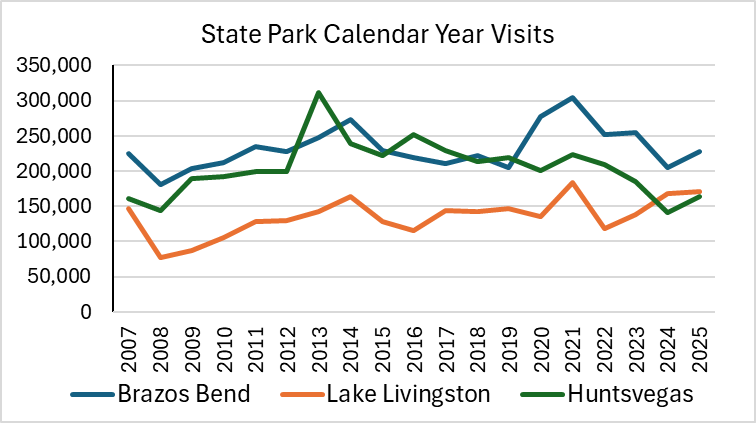
It is unclear why this decline has occurred. "I don't have an answer for that one," said Milone. Other nearby parks have not experienced anything comparable, and overall system attendance is up.
It was similarly puzzling to the park's most frequent visitor, Huntsvillan Ken Johnson, who has run in the park almost every day for the better part of forty years. "That's surprising," he said, when told about the decline. "As far as what is available, nothing's really changed over the years."
With the Houston area growing and no new parks nearby – in fact, one 90 mi. north closed three years ago – there is no obvious cause. Before trying to reverse this trend, Milone may first have to determine why it has occurred. The renaissance of Huntsville State Park is an ongoing process.
Huntsville State Park is open every day from 6 am to 10 pm. Even when there isn't someone at the entrance booth, you can self-pay your entrance fee and come on in. Entry is free for children twelve and under and $7 per person otherwise, or buy a pass to all Texas State Parks for $70 and everyone in your car gets in free all year.
The park is super busy on major holiday weekends like Easter, fairly busy most weekends, and not too busy during the week. The nature center and swimming area can get pretty active but if you like hiking there is lots of peace and quiet.
The park has short and long trails, none of which are strenuous, and boats available for rent. There is a small nature center and occasional interpretive programs. If you want to camp, make reservations here first. Book a few months ahead for fall and spring weekends. This short video provides a nice overview of the park, and their website has more information.